-
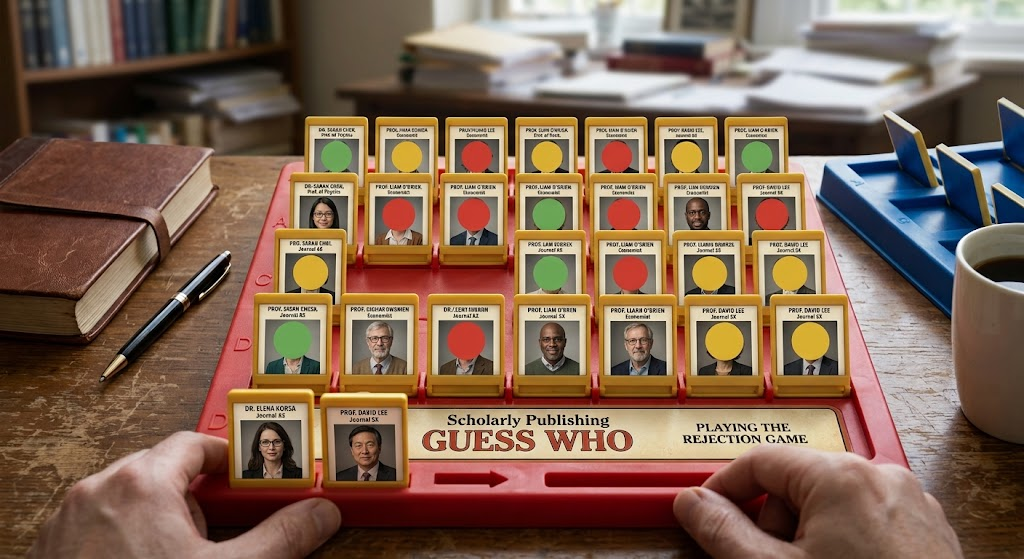
Scholarly publishing cannot afford to play ‘Guess Who’ with manuscripts
Signals announces the release of curated Author Profiles as part of their Manuscript Checks product With huge increases in submission volumes and an ever-expanding global author base, editorial teams are increasingly assessing submissions from researchers they have never previously encountered. This in itself is not an issue, however with a significant amount of fraudulent activity occurring, publishers need to validate all aspects of a manuscript, including…
-
Signals brings its reference evaluation to Hum’s Alchemist Review
A new technology partnership puts the Signals Data Graph to work inside Alchemist Review’s broader manuscript assessment. Signals is a research intelligence platform built on the Signals Data Graph (SDG) – a network of more than 500 million evaluated publications that have been curated, cleaned, and cross-checked. Signals use the SDG to link reference lists directly to the publications they cite, so problems like retracted or…
-
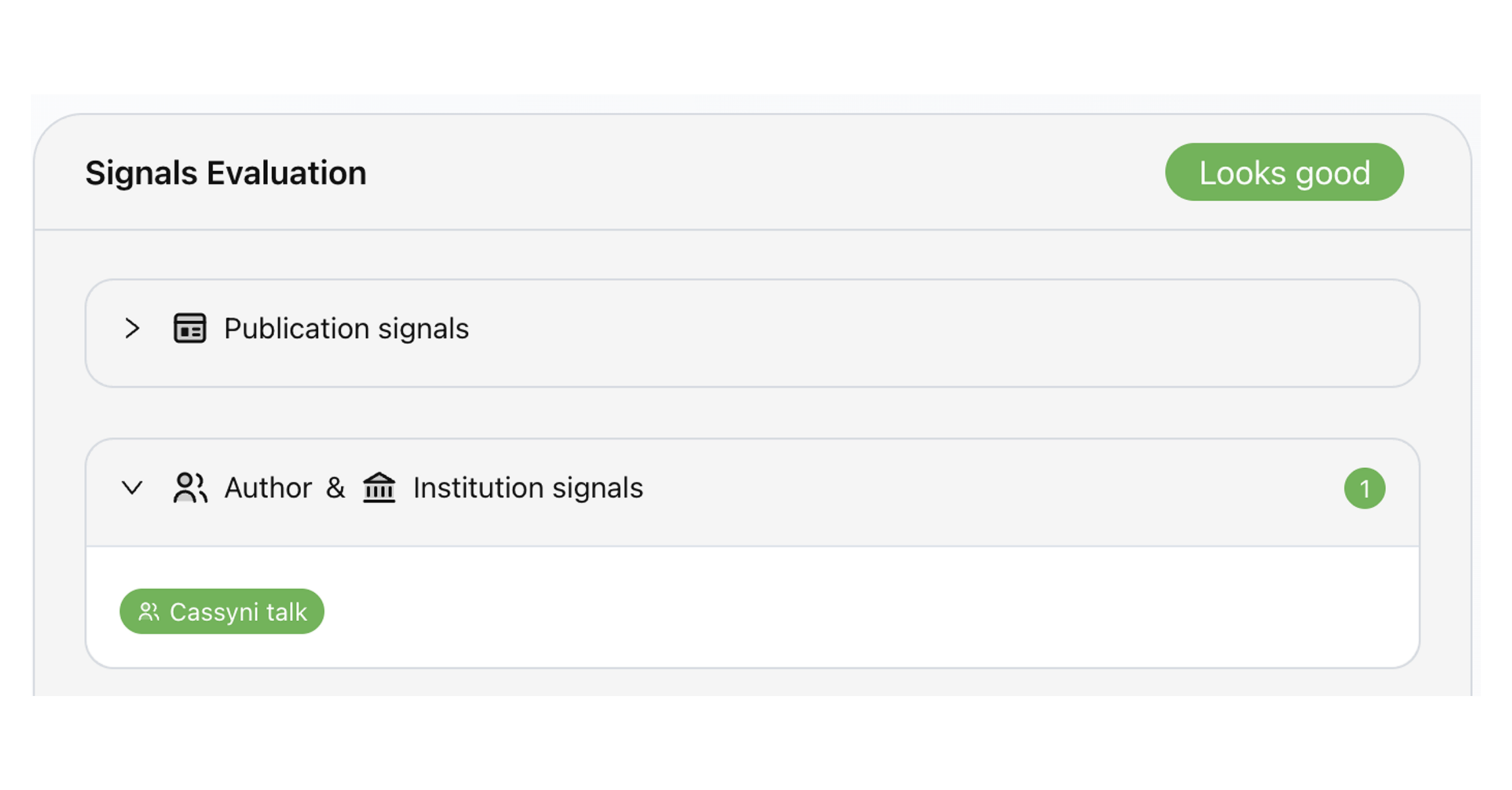
A new trust signal: Cassyni talks in Signals
So far, our signals have focussed on research integrity — spotting potential issues in publications and manuscripts such as hallucinated references, authors with a history of misconduct or nonsensical content. This information has helped publishers to reject and retract articles. But a lack of problematic signals doesn’t necessarily make an article trustworthy. Publishers and researchers struggle to know which research they can trust, particularly from authors…
-
European Respiratory Society Partners with Signals to Strengthen Research Integrity Across Its Journals
The European Respiratory Society (ERS) is partnering with Signals to strengthen research integrity across its journal portfolio. ERS staff were particularly concerned about an increase in hallucinated references, some of which had not been caught until the post-acceptance stage. Through the pilot, Signals was able to identify several cases of fake references, and now all references are screened for validity at submission — saving manual effort…
-
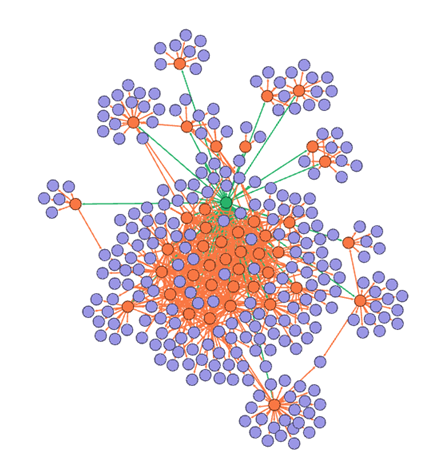
The Signals Data Graph: so much more than the sum of its sources
“If the Signals Data Graph is built on publicly available data, what makes it different?” I’ve heard some version of that question in nearly every conversation since we started to be more vocal about the Signals Data Graph (SDG), its role in flagging problematic publications and its broader application across manuscript assessment. It’s a fair question. The short answer is: the value we provide isn’t just…
-
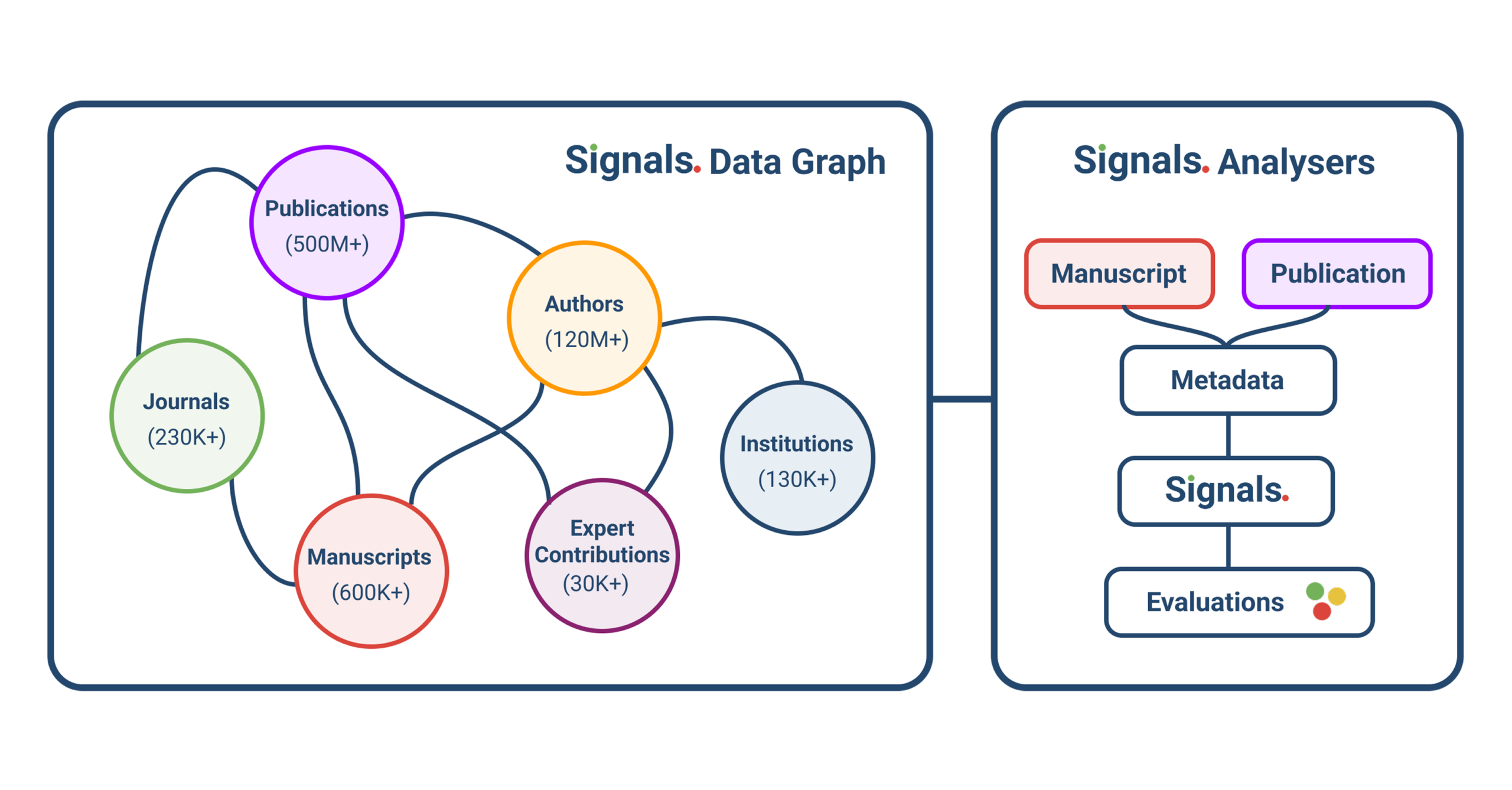
Signals Data Graph: from data source to platform
Sometimes the biggest changes happen behind the scenes. For Signals, that means a major upgrade to the underlying engine of our products — the Signals Data Graph (SDG). For publishers this means a significant step forward in both the accuracy and contextual understanding of our manuscript checks as part of editorial workflows. It also enables us to expand our understanding of global publishing output and deliver…
-
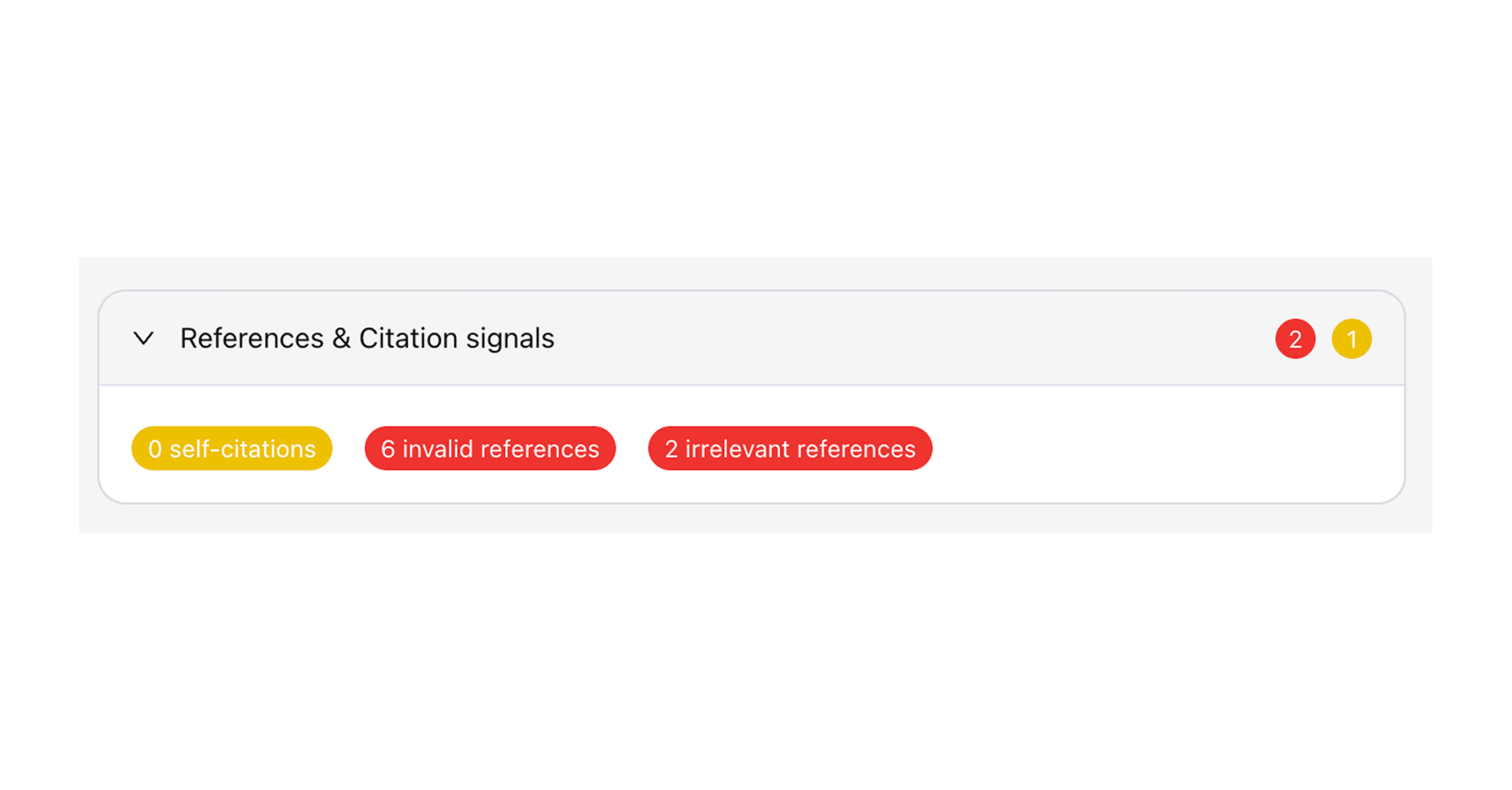
New in Signals: assess the relevance of references in manuscript submissions
Signals can now assess whether the references in a manuscript are actually relevant to the claims they’re attached to. It’s the next evolution of our reference checks, and a major step forward in helping editorial teams quickly evaluate manuscript quality. Earlier this year, we launched the invalid references signal to catch hallucinated references, invalid DOIs, and metadata mismatches. But a valid reference can still have nothing…
-
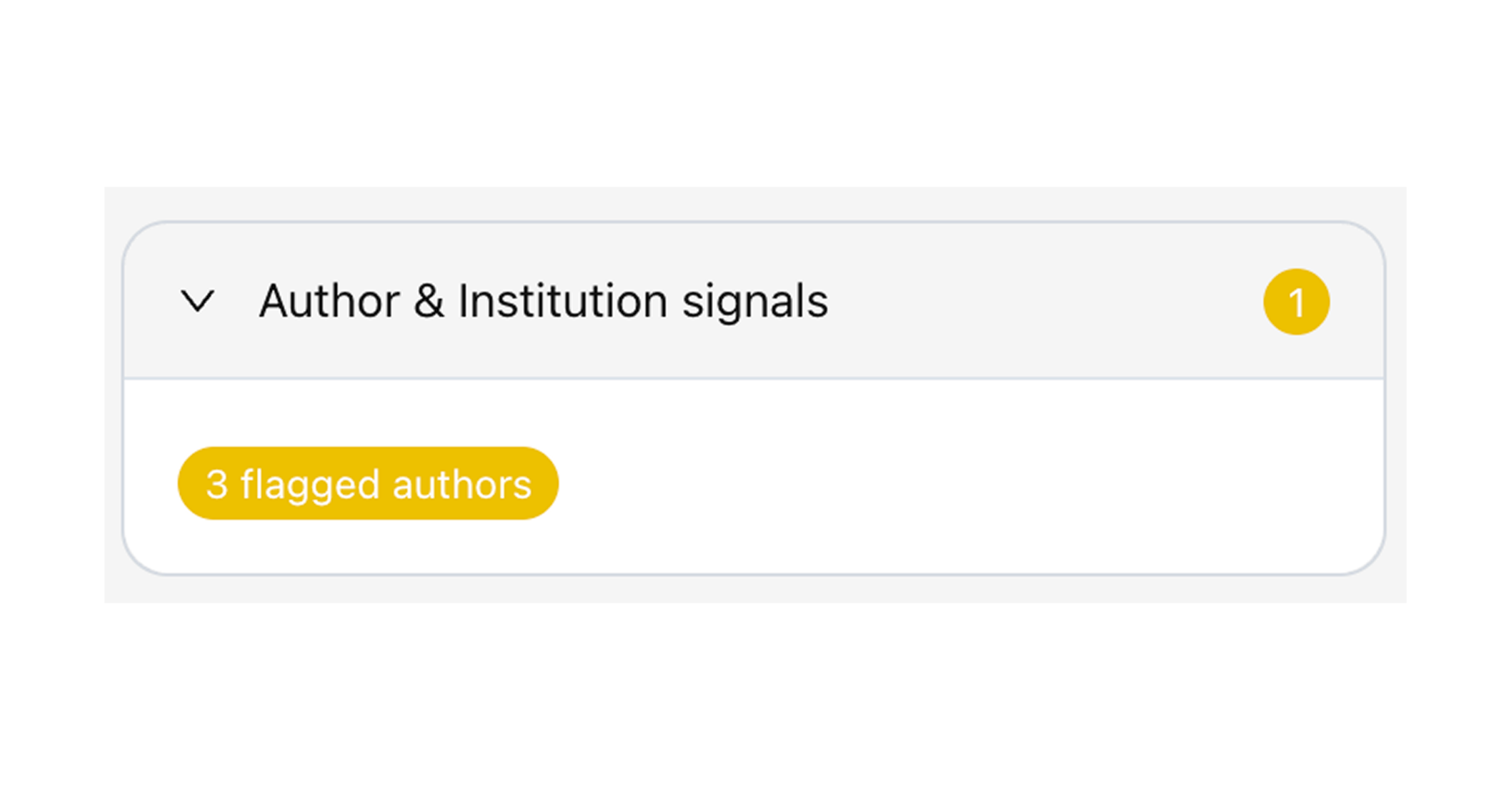
New in Signals: enhanced author publication history checks
With an increasing number of submissions, editorial teams regularly evaluate manuscripts from researchers they don’t know. Checking an author’s publication history can be important for establishing trust, but doing it thoroughly is hugely time-consuming — information is spread across multiple sources, and even then it’s difficult to disambiguate authors with similar names. Automated tools exist, but often come with high false positive rates. We’re pleased to…
-
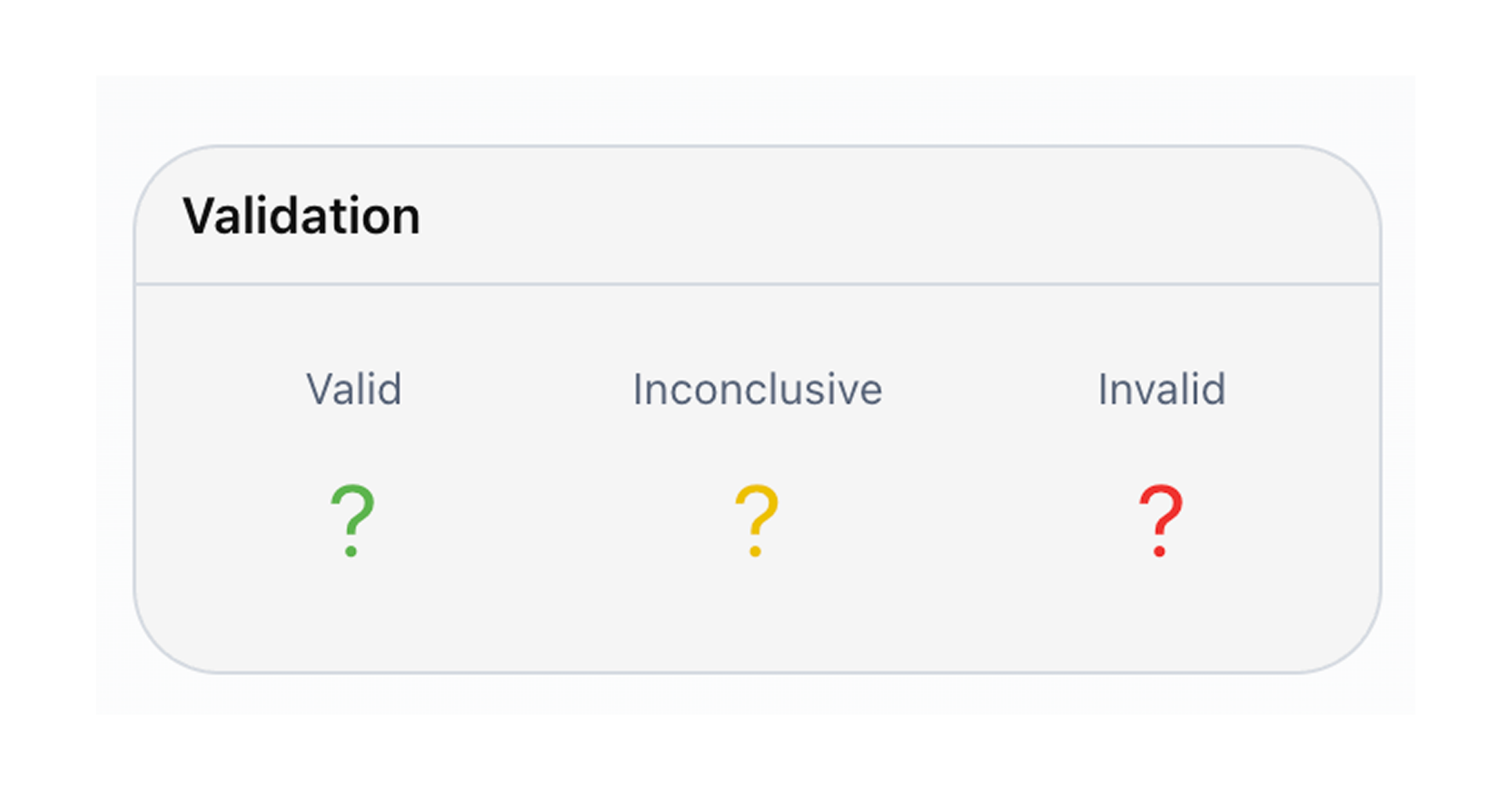
Are Frontier Models Still HalluCitating?
Hallucinated references (or HalluCitations) have become a serious anxiety for editors, who are increasingly asking their publishers for products like Signals to help them identify these muddled and made-up references. Some publishers are looking further ahead and asking me, how long will this actually be a problem? Is it even a problem today? Surely the frontier models don’t hallucinate references anymore? We put it to the…
-

New from Signals: catch manuscript content issues instantly with Sleuth AI signals
With a growing number of manuscript submissions, publishers need faster ways to triage what should be sent for editorial assessment and what risks wasting valuable editor time. Signals now goes even deeper into manuscript analysis, automatically spotting issues in the manuscript content and helping publisher teams make better decisions quickly. Our AI research integrity assistant, Sleuth AI, is no longer waiting for you to ask a…
-
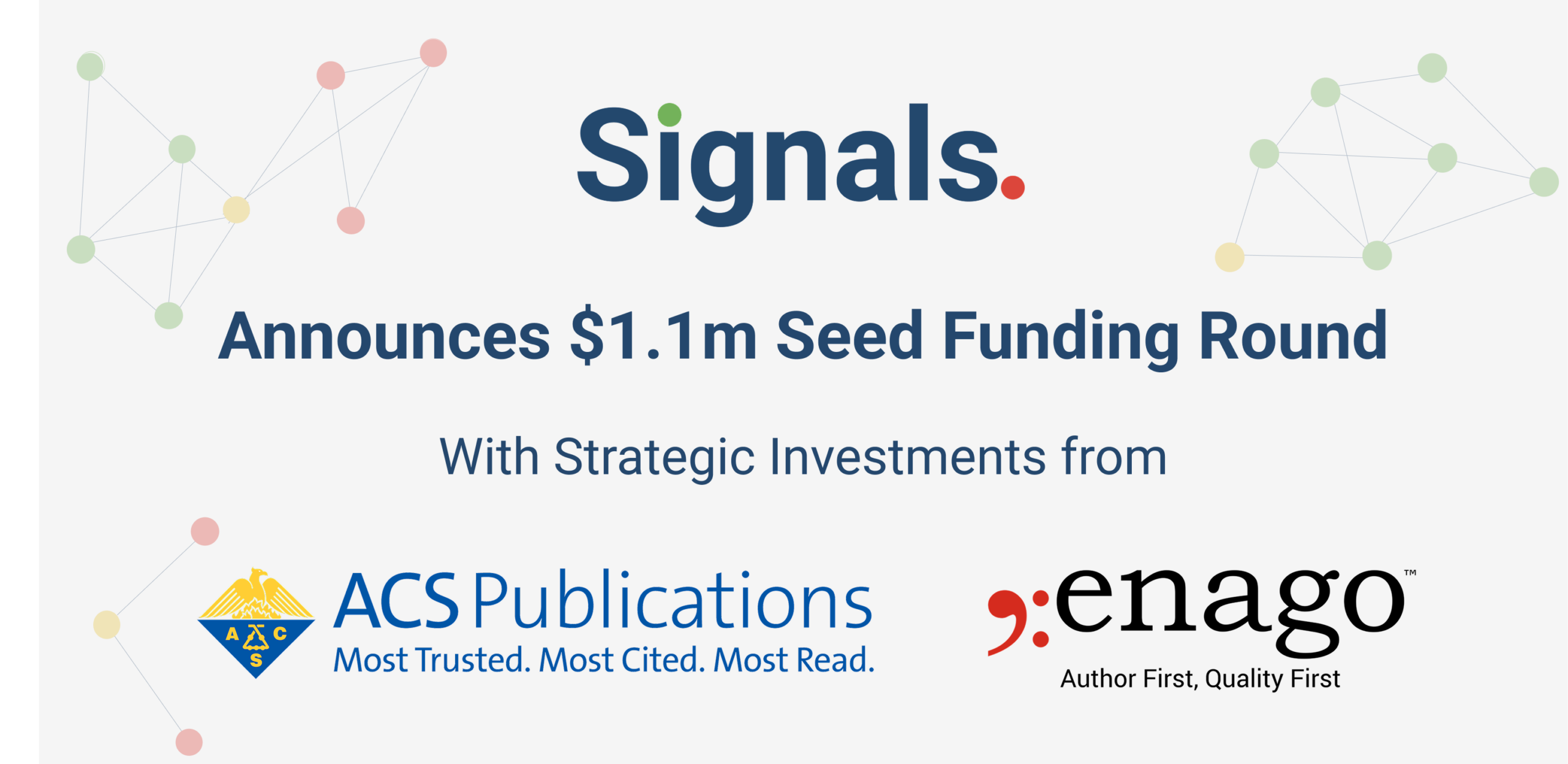
Signals raises $1.1m in Seed funding round with investors ACS and Enago
We’re excited to announce that we have raised $1.1m in our Seed funding round backed by minority investments from strategic investors ACS Publications, a division of the American Chemical Society (ACS), and Enago, along with the Scholarly Angels and other leading angel investors. This investment is more than financial. It reflects a shared vision to deliver deep evaluations of all research so it can be trusted,…
-
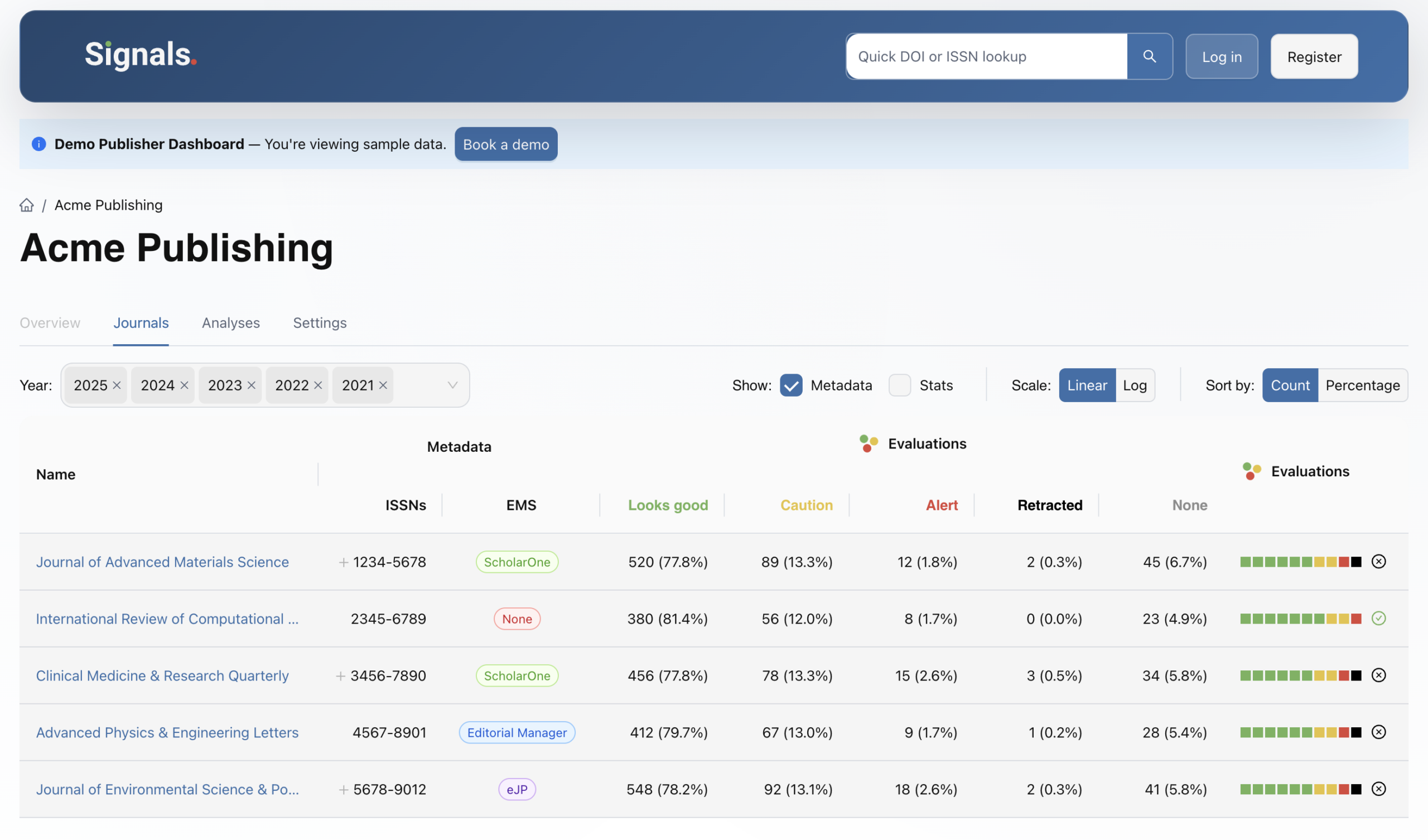
New in Signals: detect invalid references, monitor research integrity trends, and more
It’s a new year, and Signals has a new look. Check out the app to see our sleek new design and sample Publisher Dashboard. Alongside many UI improvements, we have been busy developing many new capabilities for Signals Manuscript Checks and the Publisher Dashboard. The updates will help our Publisher partners improve their screening of all submissions for potential research integrity issues, and their ability to…
-
FASEB Partners with Signals to Strengthen Research Integrity Across Its Journals
JMIR Publications is pleased to announce an agreement with Signals Manuscript Checks to leverage their tool across their entire portfolio.
-
JMIR Publications Partners with Signals to Strengthen Research Integrity Across Its Portfolio
JMIR Publications is pleased to announce an agreement with Signals Manuscript Checks to leverage their tool across their entire portfolio.
-
Hum and Signals Collaborate to Enhance Alchemist Review
Signals Data Graph will power Alchemist Review’s reviewer recommender, enabling faster, more accurate results.
-
Signals Manuscript Checks now spot image integrity issues with Imagetwin partnership
Global Campus and Signals announce a new partnership to helping publishers select high-quality, trustworthy reviewers.
-

Aries Systems and Signals Partner to Strengthen the Efficiency and Accuracy of Research Integrity Checks
September 3, 2025 | North Andover, Massachusetts Aries Systems Corporation, a leading provider of workflow management technologies for the scholarly publishing community, and Research Signals Limited (Signals), a research integrity solutions provider, are pleased to announce their partnership to empower journals to identify and prevent the publication of problematic manuscripts to restore trust in research. As overburdened editorial offices face rising research fraud with the increasing…
-
Global Campus and Signals Partner to Enhance Research Integrity in Peer Review
Global Campus and Signals announce a new partnership to helping publishers select high-quality, trustworthy reviewers.
-
Signals Announces Innovative Research Integrity Badge and Key Partnerships to Empower Researchers
In a recent ORCID Research Integrity poll, 67% of researchers admitted to skipping an article due to trust concerns. This is why we are thrilled to announce the launch of the Signals Badge. Researchers can now prioritize high-quality literature to use in their own work and avoid problematic articles with research integrity issues through this useful tool. The Badge is designed to bring transparency to the…
-
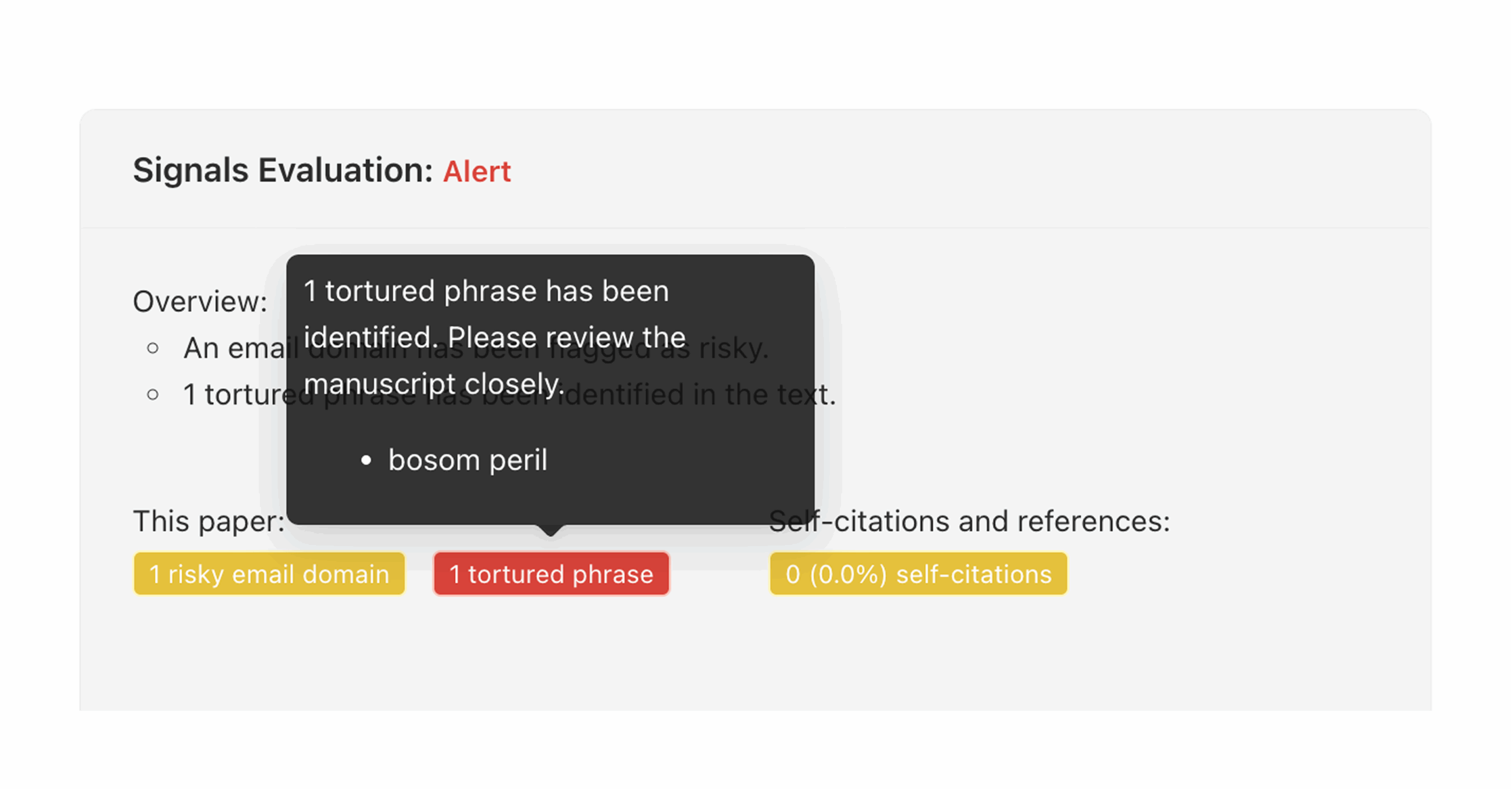
New signal detects tortured phrases in manuscript submissions
Signals now scans journal submissions for tortured phrases, helping editors and research integrity teams quickly spot these issues early in the publishing process. These unusual and often nonsensical phrases are used in place of standard academic terms — a couple of examples include “man-made consciousness” instead of “artificial intelligence”, and “bosom peril” instead of “breast cancer.” Tortured phrases can be a clear indicator of publishing misconduct,…
-
Signals Launches Sleuth AI
Introducing Sleuth AI: Signals’ AI-powered research integrity assistant We’re excited to launch the next generation of research integrity evaluation. Sleuth AI transforms how editorial and research integrity teams investigate manuscripts — turning hours of manual analysis into minutes of intelligent, interactive exploration. Ask questions, uncover evidence, detect potential issues — all with the transparency and explainability that research integrity decisions demand. Designed to fit seamlessly into…
-
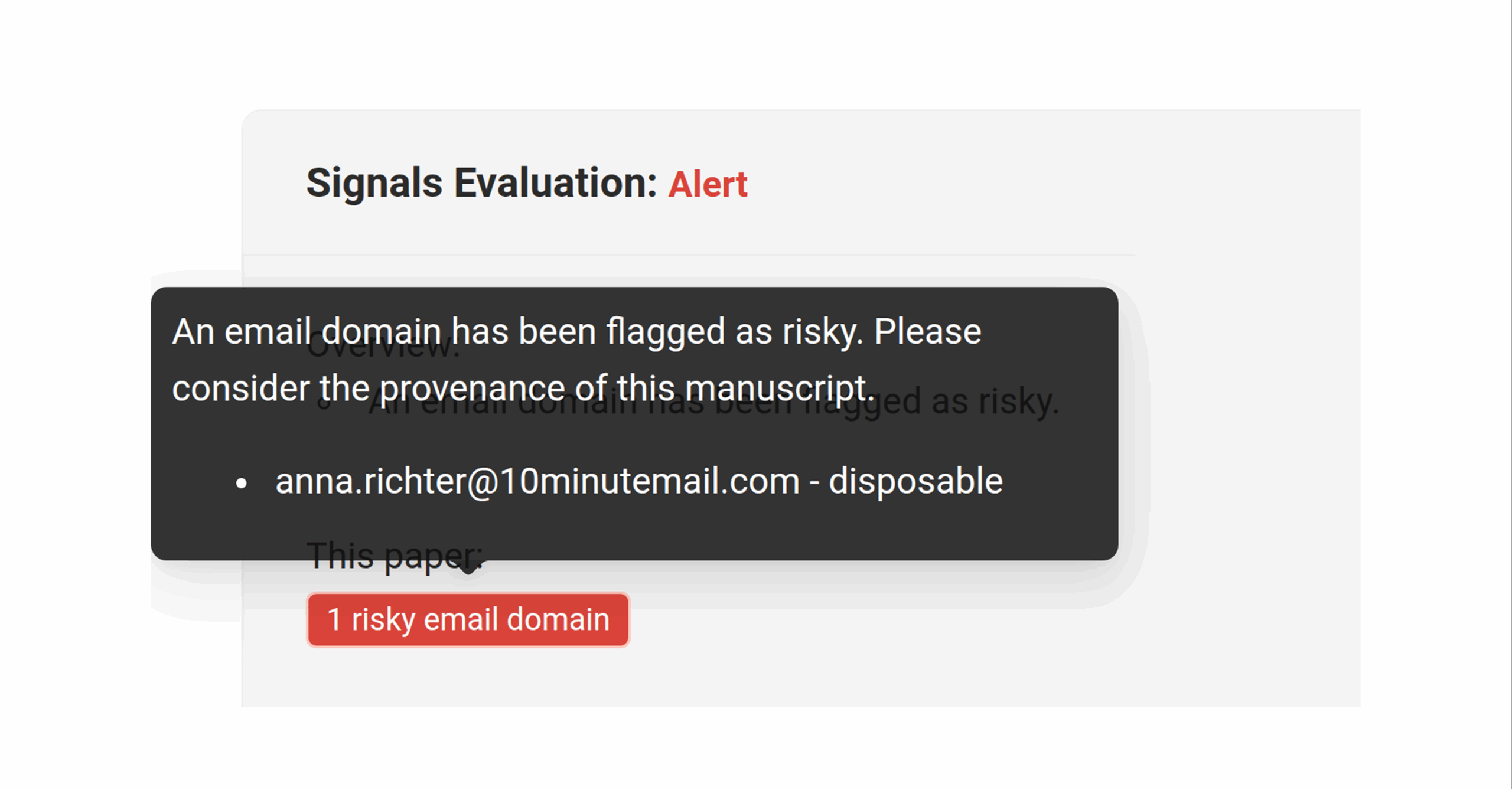
New signal spots risky email domains
We’re pleased to announce our newest signal — risky email domains. This signal is designed to help publishers further reduce research integrity risks and protect the quality of the scholarly record by identifying a subtle issue related to author identity and manuscript provenance. When a manuscript is uploaded to Signals, it extracts the authors’ email addresses and checks them against a curated list of risky domains.…
-
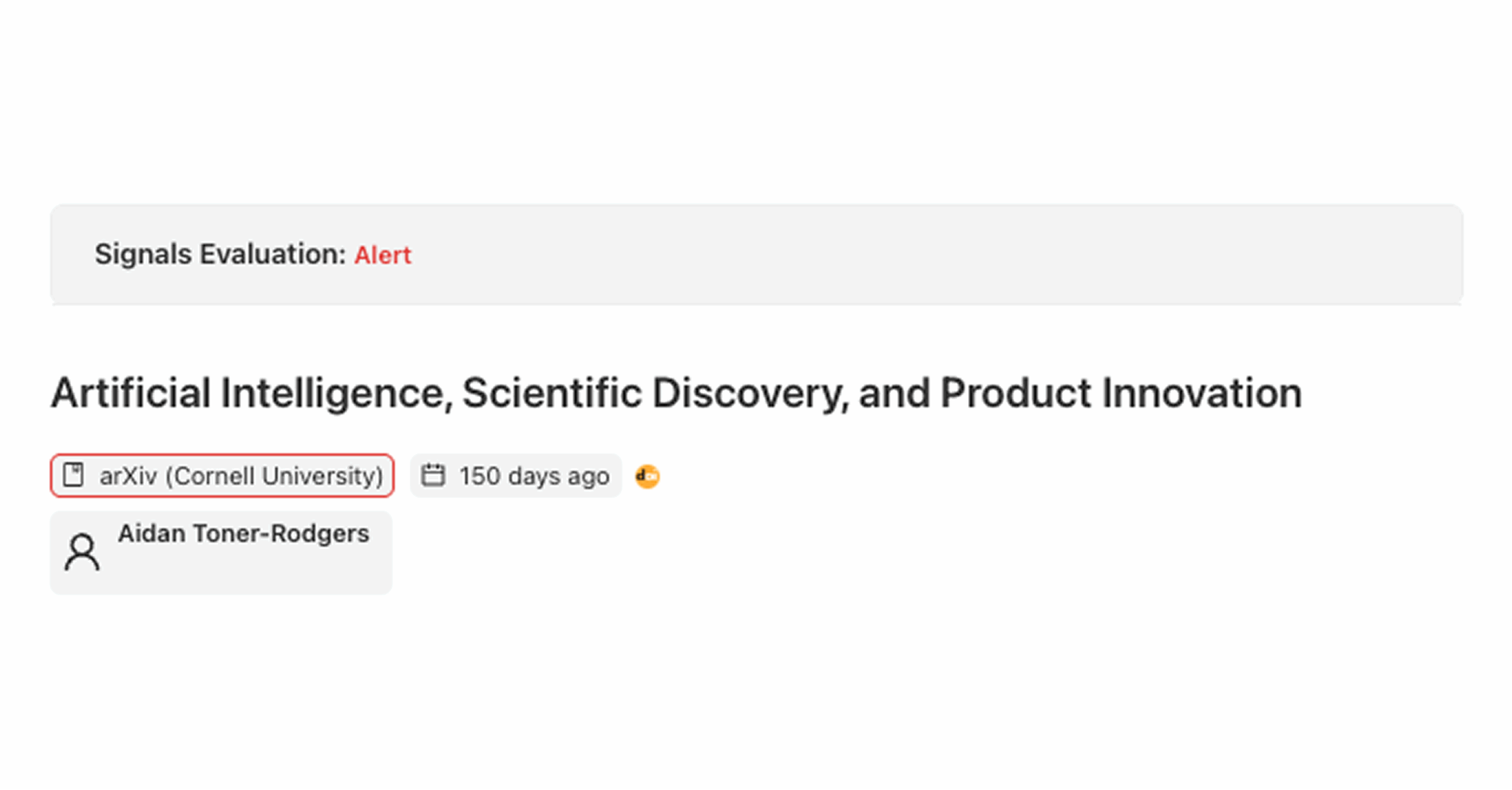
Fake attributions: a persistent and evolving research integrity problem
In the 1980s, Robert Slutsky and John Darsee were two of the most prolific authors in medical research. At the University of California San Diego, Slutsky was publishing one article every ten days. On the other side of the US, at Harvard Medical School, Darsee was still in his early 30s but had already published more than 100 articles. These rates were unusual, but in Darsee’s…
-
Research Fraud at MIT: High-Profile Study Was Too Good to Be True
Another day, another case of high-profile research fraud. An internal review at MIT has concluded that a paper submitted by a PhD student should be withdrawn from both arXiv and The Quarterly Journal of Economics, where it was submitted for publication. This is no normal first-year PhD paper. The article attracted coverage from The Wall Street Journal, The Atlantic, and Nature. The study analysed use of…
-
Expert perspective: Wu Guangheng Looks at the Future of Research Integrity
In late February we gave a presentation on the Future of Research Integrity at the Researcher to Reader Conference in London. In preparation we sought opinions and insights from leading research integrity sleuths, many of whom were generous with their time and expertise. Among these was Wu Guangheng, Ph.D, founder president of the 5GH Foundation, a non-profit organisation dedicated to promoting responsible science and technology research.…
-
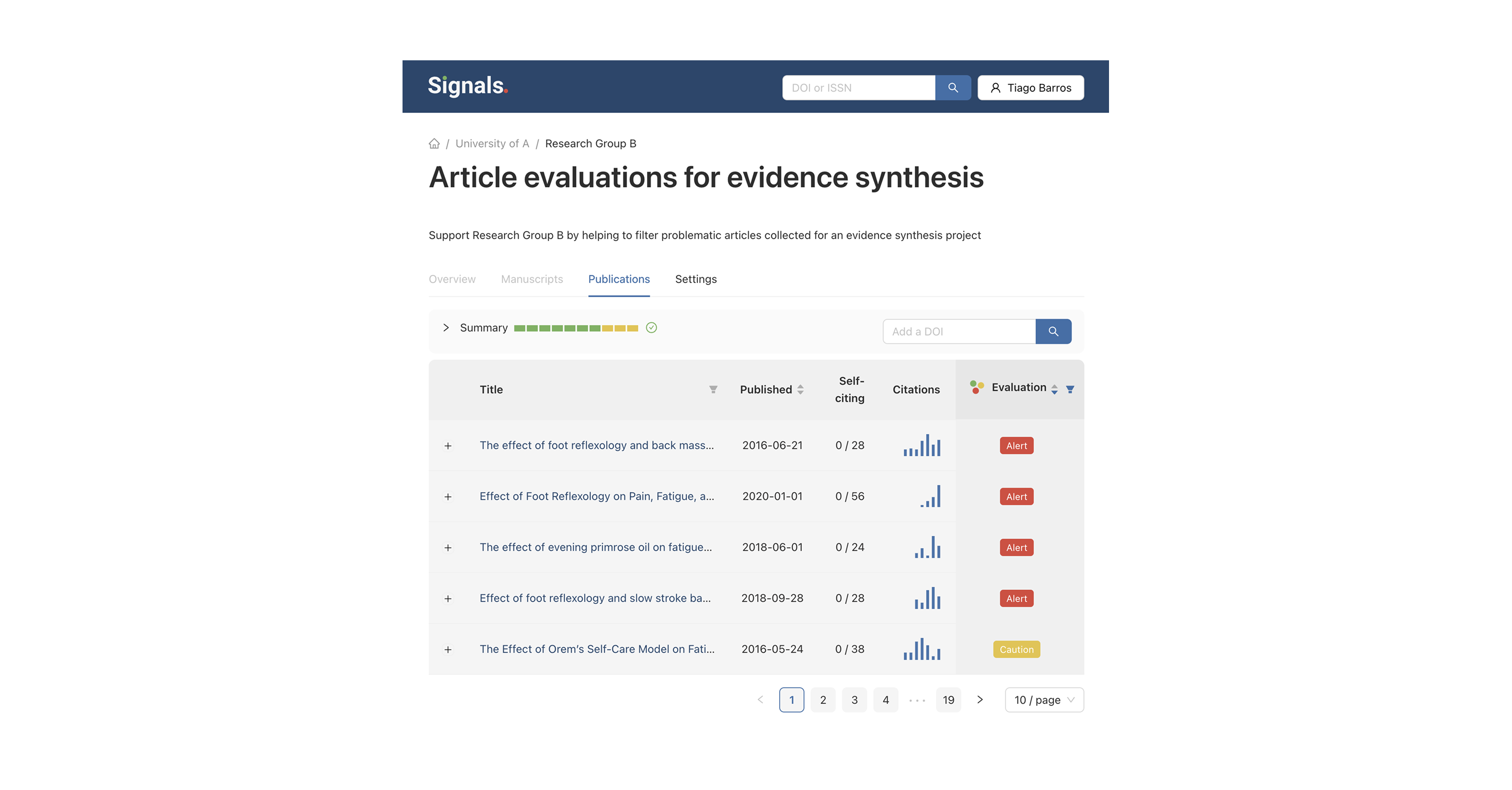
Article Collections: Your Custom View of Research Integrity
At Signals, we evaluate the credibility of any article or manuscript using the Signals Data Graph, which stores and analyzes the world’s publication data and combines it with expert knowledge. Because we can evaluate every article, we can also aggregate these evaluations to provide insights across journals or institutions. This helps publishers quickly identify, understand, and resolve research integrity risks. However, research integrity issues aren’t always…
-
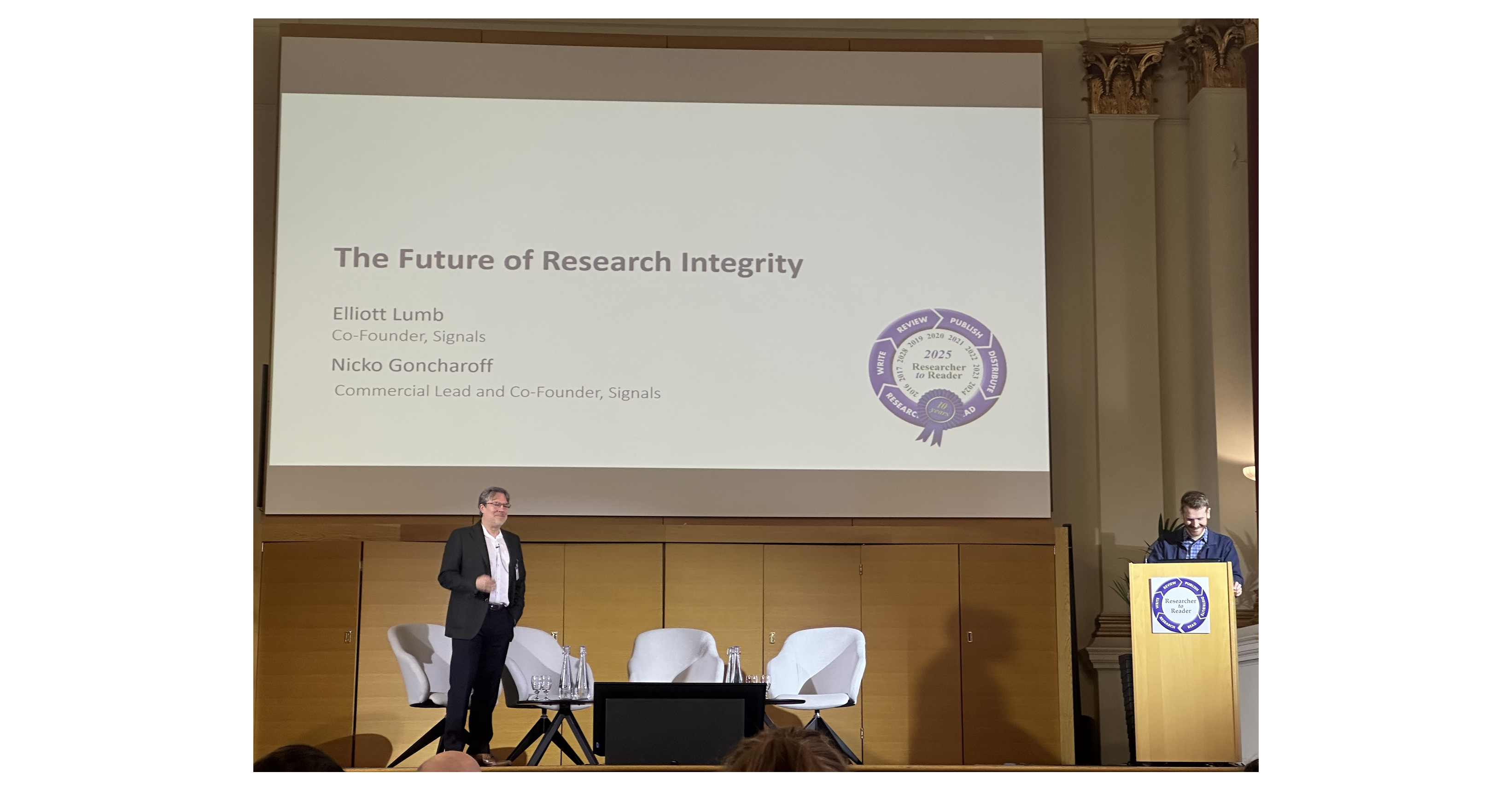
The future of research integrity: insights from the audience at Researcher to Reader
Last week, Nicko and I attended the Researcher to Reader conference in London. The event brings together researchers, publishers, and institutions, creating opportunities for interesting conversations and learning. We’re already looking forward to next year’s event. During the conference, we gave a talk on ‘The Future of Research Integrity’. We highlighted historic cases of research misconduct, discussed the current state of research integrity, and shared the…
-
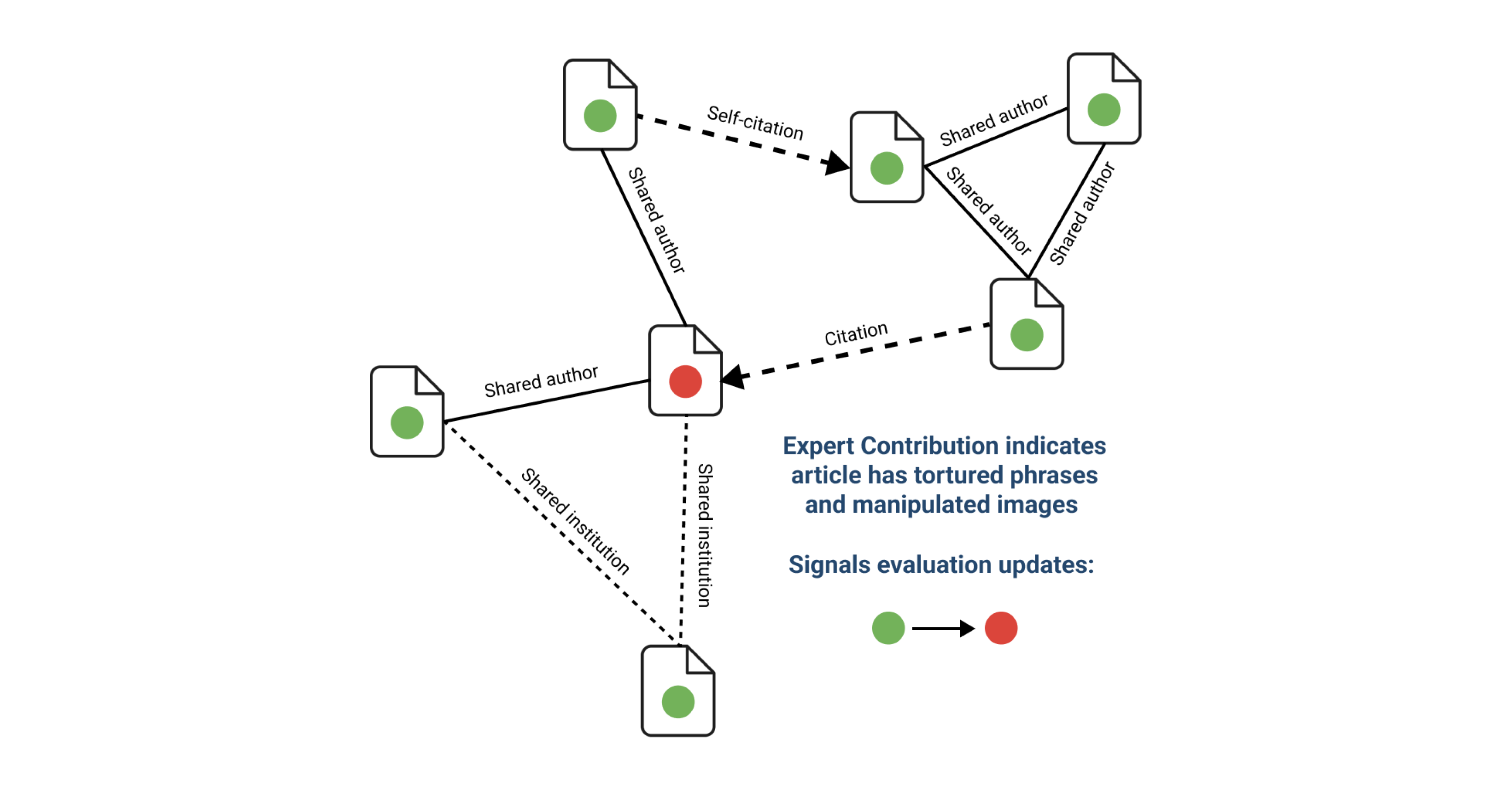
Signals launches Expert Contributions: amplifying insights from the community to restore trust in research
Specialized research communities hold knowledge that, if shared more widely, could transform how we identify trustworthy and valuable research. So we’re excited to introduce Expert Contributions, a new Signals’ initiative designed to amplify the insights of researchers, sleuths, and subject-matter experts. These contributions add critical as well as positive insights on individual articles, helping the entire research community identify both problematic and high-quality research. Example article…
-
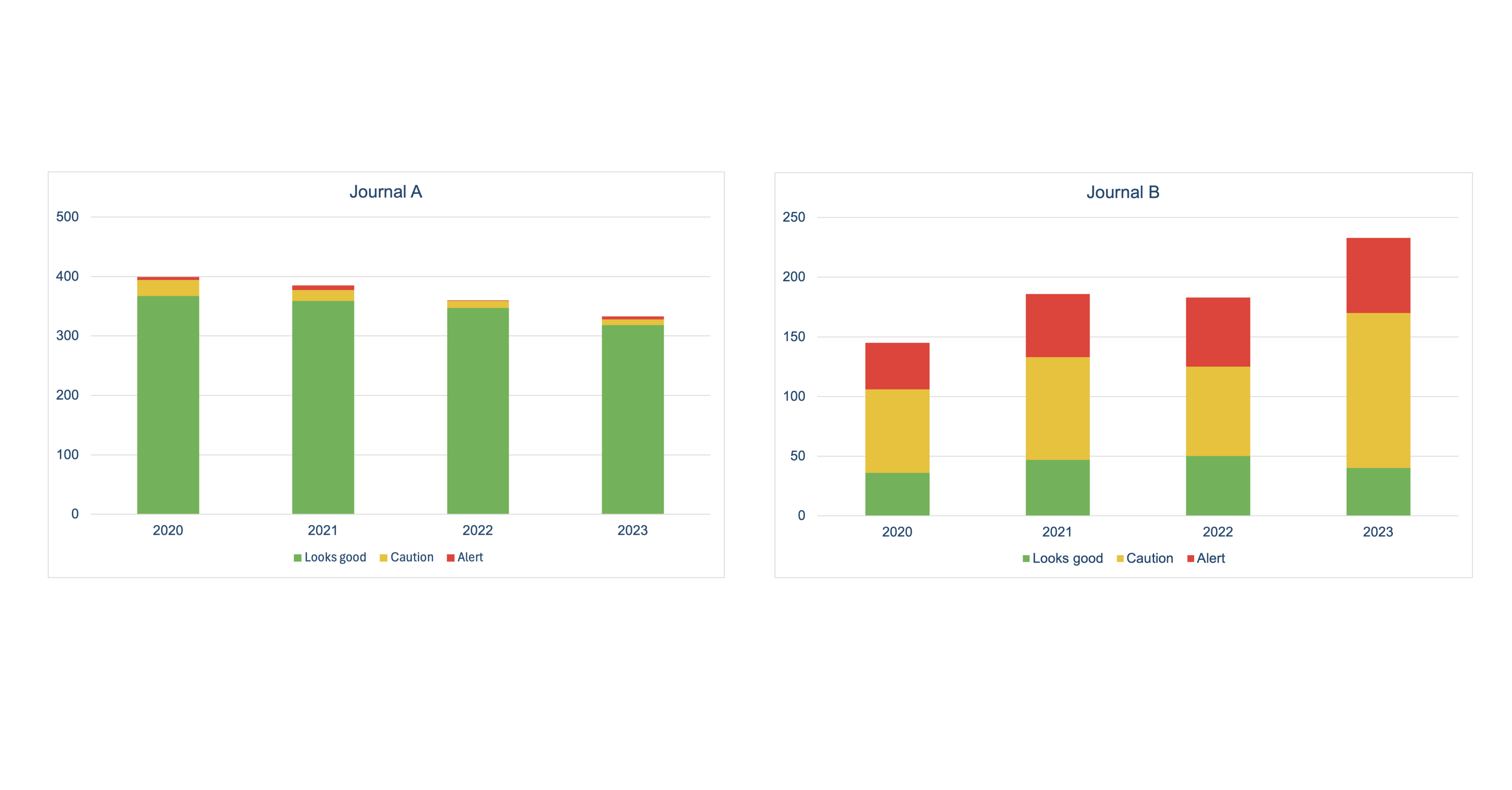
You don’t know what you don’t know: how Signals helps publishers understand research integrity in their journals
One of the most interesting parts of building Signals is that we have a comprehensive view of research integrity across the publishing landscape, and can pinpoint specific issues impacting journals and publishers. The Signals Data Graph, which networks billions of nodes of publication data, enables us to see which journals have no or few research integrity cases, and spot journals that show signals of being the…
-
Signals completes funding round to accelerate its mission to restore trust in research
We’re excited to share that we have completed our first funding round, bringing together a key group of angel investors who believe in our mission to restore trust in research. Their investment enables us to launch the Signals Data Graph and expand our offerings, providing comprehensive support to publishers in the rapidly evolving research integrity landscape. In putting together this round, we sought out leading investors…
-
Signals Named Finalist for the 2024 Vesalius Innovation Award
We’re excited to share that Signals has been selected as a finalist for this year’s Vesalius Innovation Award! The Vesalius Innovation Award offers a unique opportunity to promote innovation, so it’s great to see research integrity highlighted as a key focus for this year’s award. Upholding trust and credibility in science communication is more critical than ever and we’re grateful to the jury for recognizing our…
-
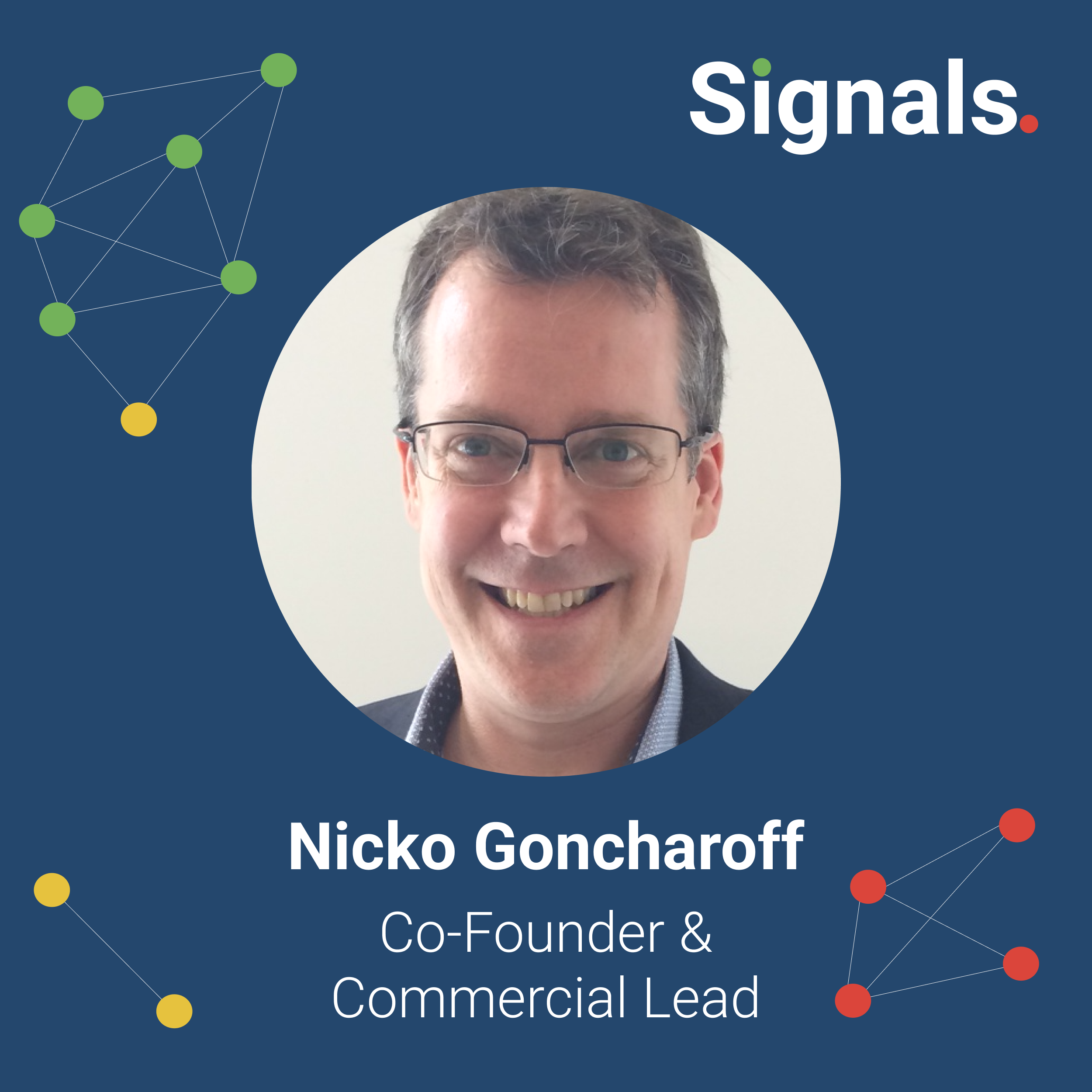
Nicko Goncharoff joins Signals as Co-Founder
I suppose almost every post in which someone starts a new role mentions how “excited” they are. So I’ve tried to think of a different adjective to describe my feelings about this next step in my career. But really there is no better word. So, with that said, I’m very excited to announce that I’ve joined Signals as Co-Founder & Commercial Lead. We are a tightly-knit,…
-
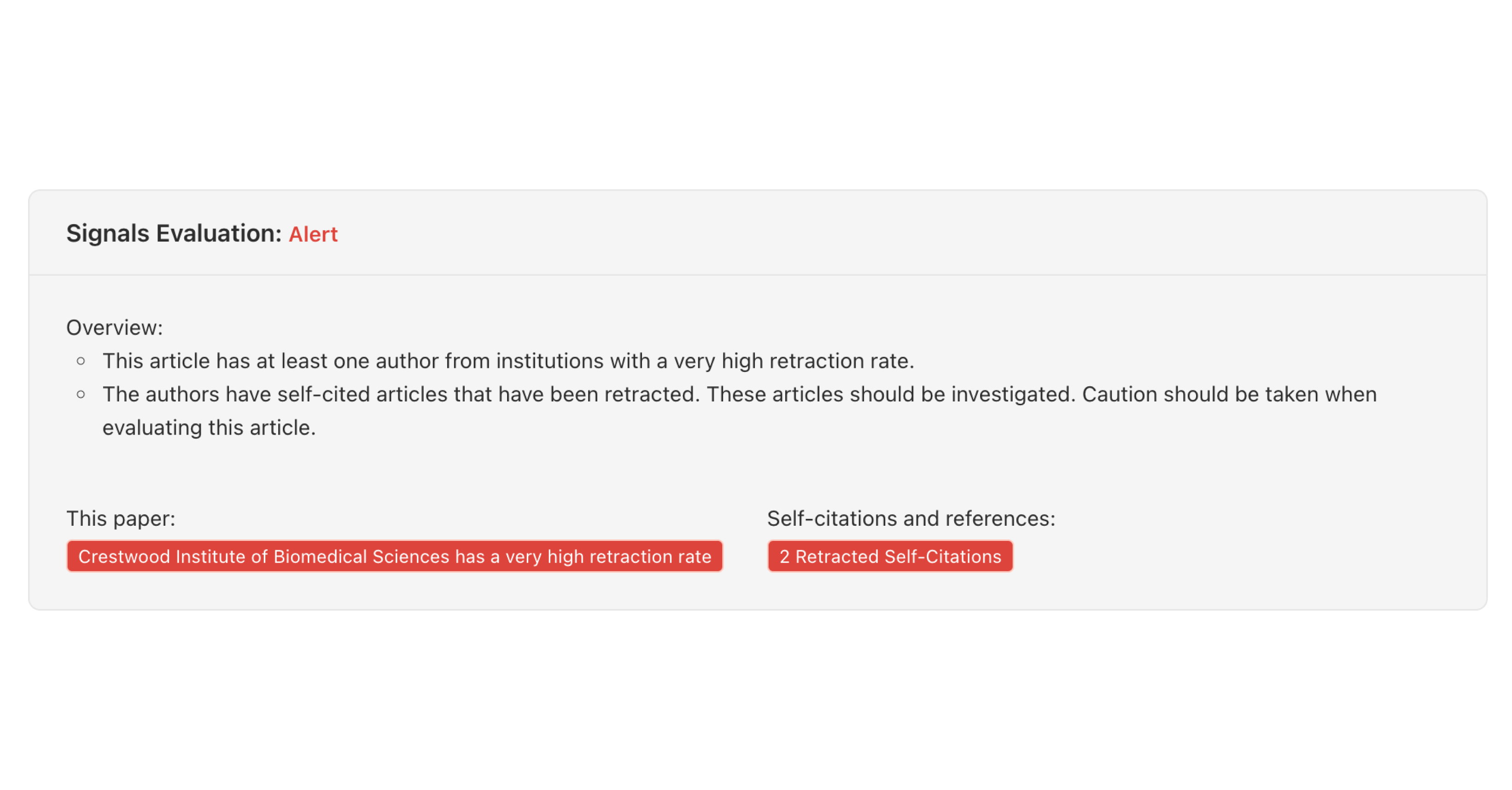
New signals to provide insight on the integrity of authors institutions
Institution integrity We’re excited to release a set of new signals related to authors’ institutions. To help protect the reputation of journals and speed up author checks, Signals now highlights when authors are affiliated with institutions with high rates of ‘problematic retractions’ (retractions due to fraud, including papermills). These signals help editors to make informed decisions on an article’s source with minimal effort. An evolution in our…
-
Signals Named Finalist for the 2024 ALPSP Award for Innovation in Publishing
We are thrilled to announce that Signals is a finalist for The ALPSP Award for Innovation in Publishing 2024. This recognition highlights the importance of the work we are doing to restore trust in research. We are grateful for this acknowledgement of our efforts so far. With three out of the four finalists addressing research integrity, it is clear that this is one of the most…
-
Problematic Paper Screener: a new signal to help protect research integrity
Signals from the community Publication fraud is harming trust in research. To help protect the integrity of the scholarly record and restore trust in research many researchers and sleuths comb the literature to identify patterns and markers of fraud in research articles, and some build tools to enhance these efforts. The Problematic Paper Screener, an academic project led by Guillaume Cabanac and collaborators, combines automatic machine…
-
Signals joins United2Act
We’re pleased to announce that Signals has become a signatory of United2Act. Collective action against paper mills is essential for protecting the integrity of the scholarly record, a vital step in restoring trust in research. We look forward to working closely with the research community to address the paper mill problem and to continue providing individuals and organisations with the information they need to assess the…
-
Introducing Signals
Trust is at an all-time low More people than ever question whether they can trust our most important institutions. This isn’t a new concern; trust has been in decline for decades. However, we have always been able to rely on the foundational and self-correcting nature of scholarly literature as a source of truth. This is no longer the case. Over the past few years, we’ve seen…
-
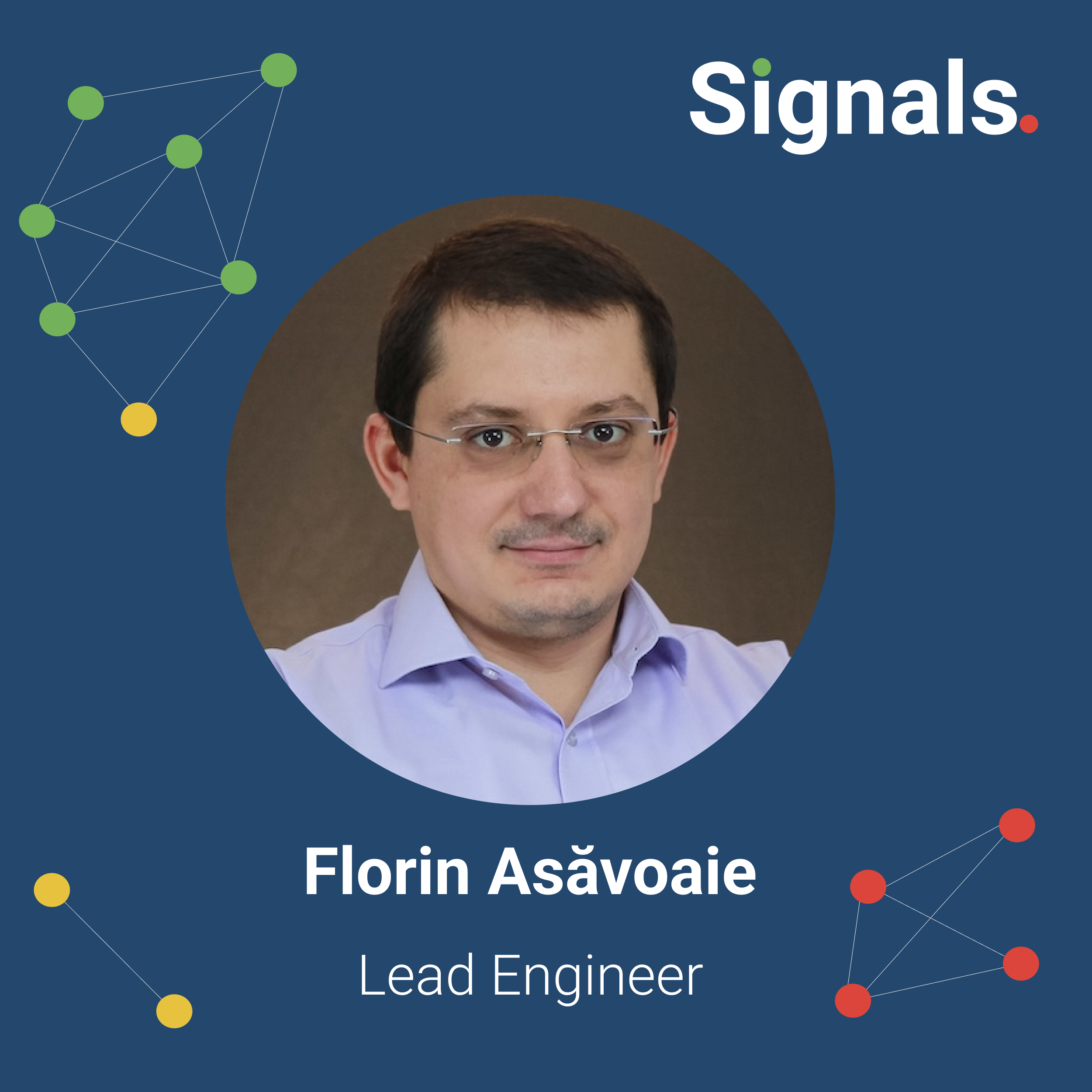
Florin Asăvoaie joins Signals as Lead Engineer
We’re excited to announce that Florin Asăvoaie has joined Signals as Lead Engineer. Florin was the Solutions Architect of Hindawi’s Phenom publishing platform, acquired by Wiley in 2021, and is the technical & product development advisor for sustainable software products. With his engineering expertise and industry experience, Florin is already making an impact, accelerating our work to provide signals for every published article and any article…
-
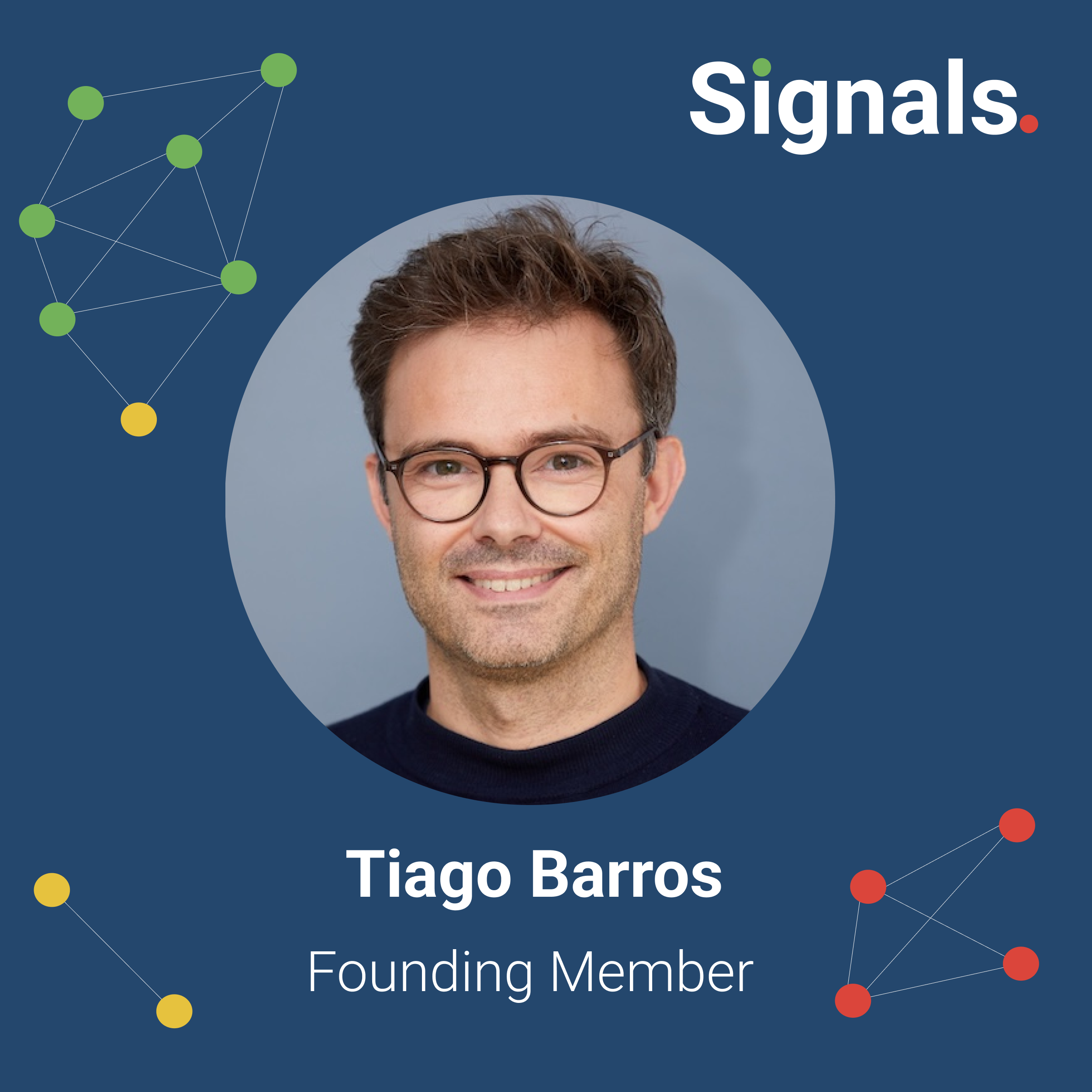
Tiago Barros joins Signals as Founding Member
We’re excited to announce that Tiago Barros has joined the Signals team as Founding Member. Tiago will bring his expertise in publishing, peer review and creating products for publishers and researchers to our team. Previously, Tiago had different roles in publishing and tech startups, including VP of H1 Connect at H1, Managing Director of Faculty Opinions and Sciwheel, and Product Lead at Publons, where he worked…
-
Signals Lead Analyst, Christos Petrou, guest post in Scholarly Kitchen
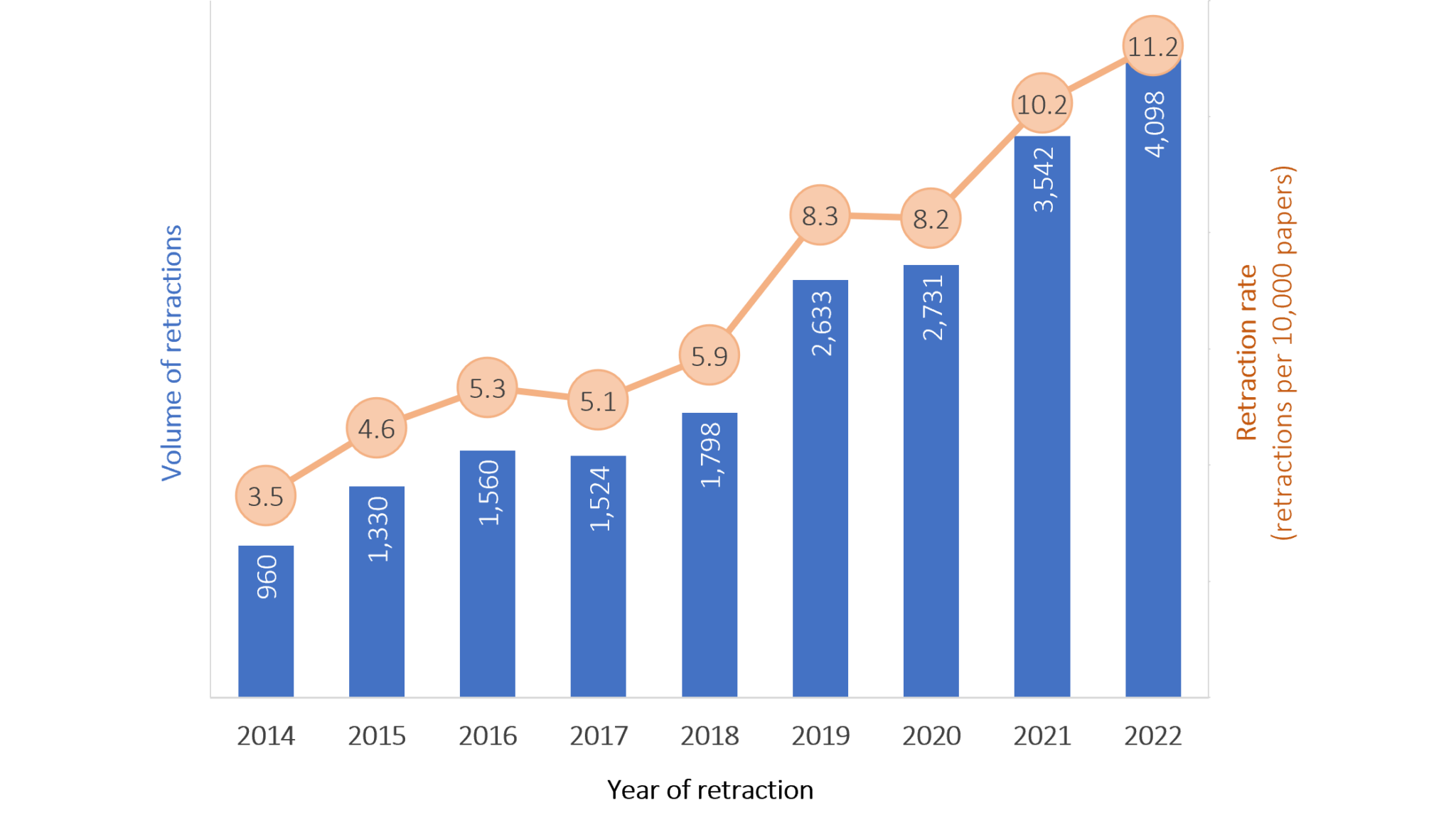
Signals Lead Analyst, Christos Petrou, has written a guest post for the Scholarly Kitchen on retractions and research misconduct. A few key takeaways include: Read the full article in The Scholarly Kitchen:
-
Christos Petrou joins Signals as Lead Analyst
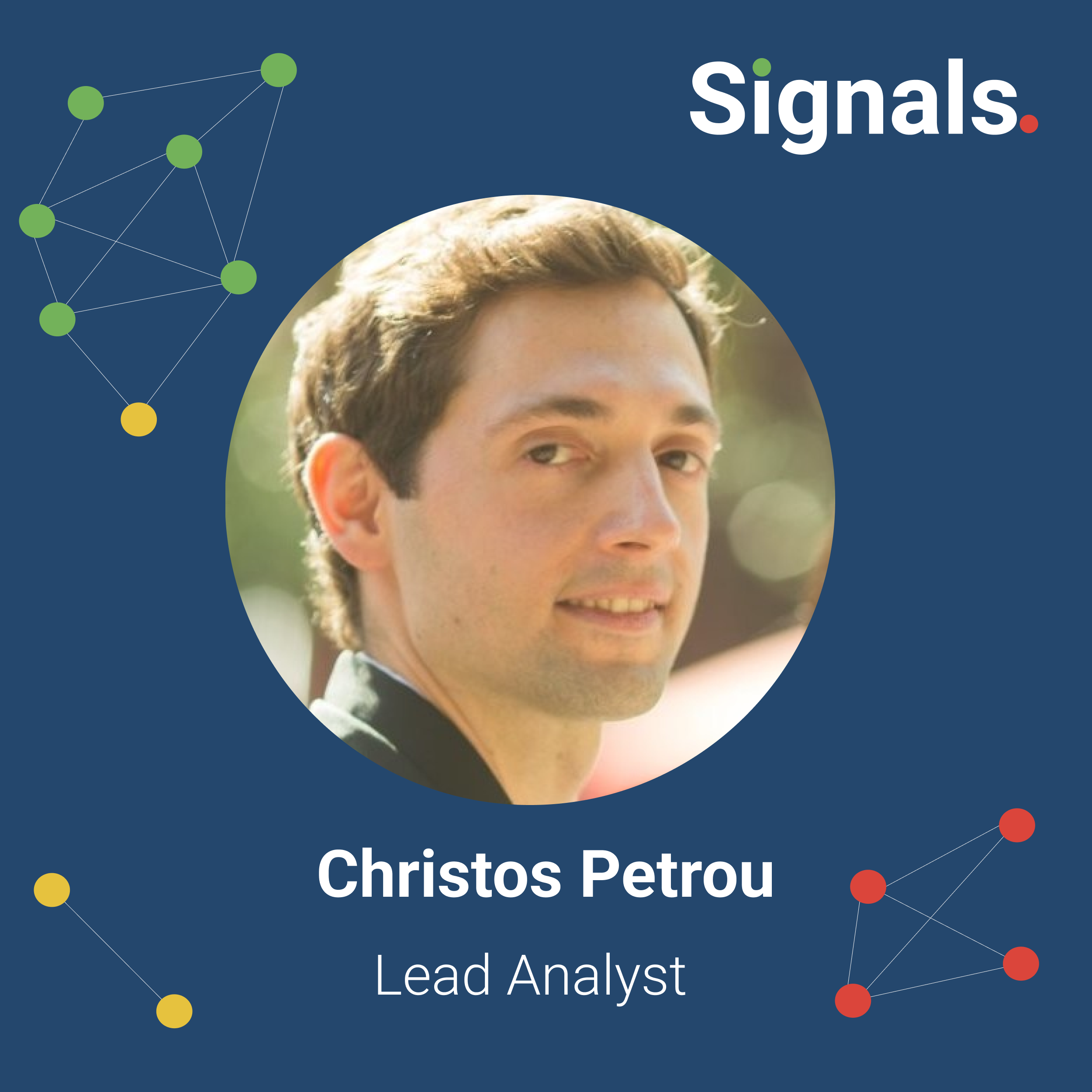
We’re pleased to announce that Christos Petrou will be joining Signals, alongside founders Andrew Preston and Elliott Lumb, in our mission to restore trust in research. Christos will join Signals as Lead Analyst. His deep understanding of scholarly communication and analytical expertise will help us identify new signals and enable us to provide publishers with deep dives into publishing integrity workflows and data. Many of you…
-
Correcting the record: retracting papermill articles
In 2023, the scholarly literature had the highest number of retractions ever seen in a single year, driven by over 8000 retractions at Hindawi. The large set of retractions were fraudulent articles created by papermills and published after Wiley acquired Hindawi in 2021. The consequences of this have been huge for Wiley, and the industry as a whole. Wiley estimated that the problem cost them $35-40…